Oct 27, 2026Selection Guides
How to Choose a Hollow Rotary Platform: Six Selection Criteria
Six criteria for specifying a hollow rotary platform: working conditions, tilting moment, center bore, precision terms, inertia, and motor mounting.
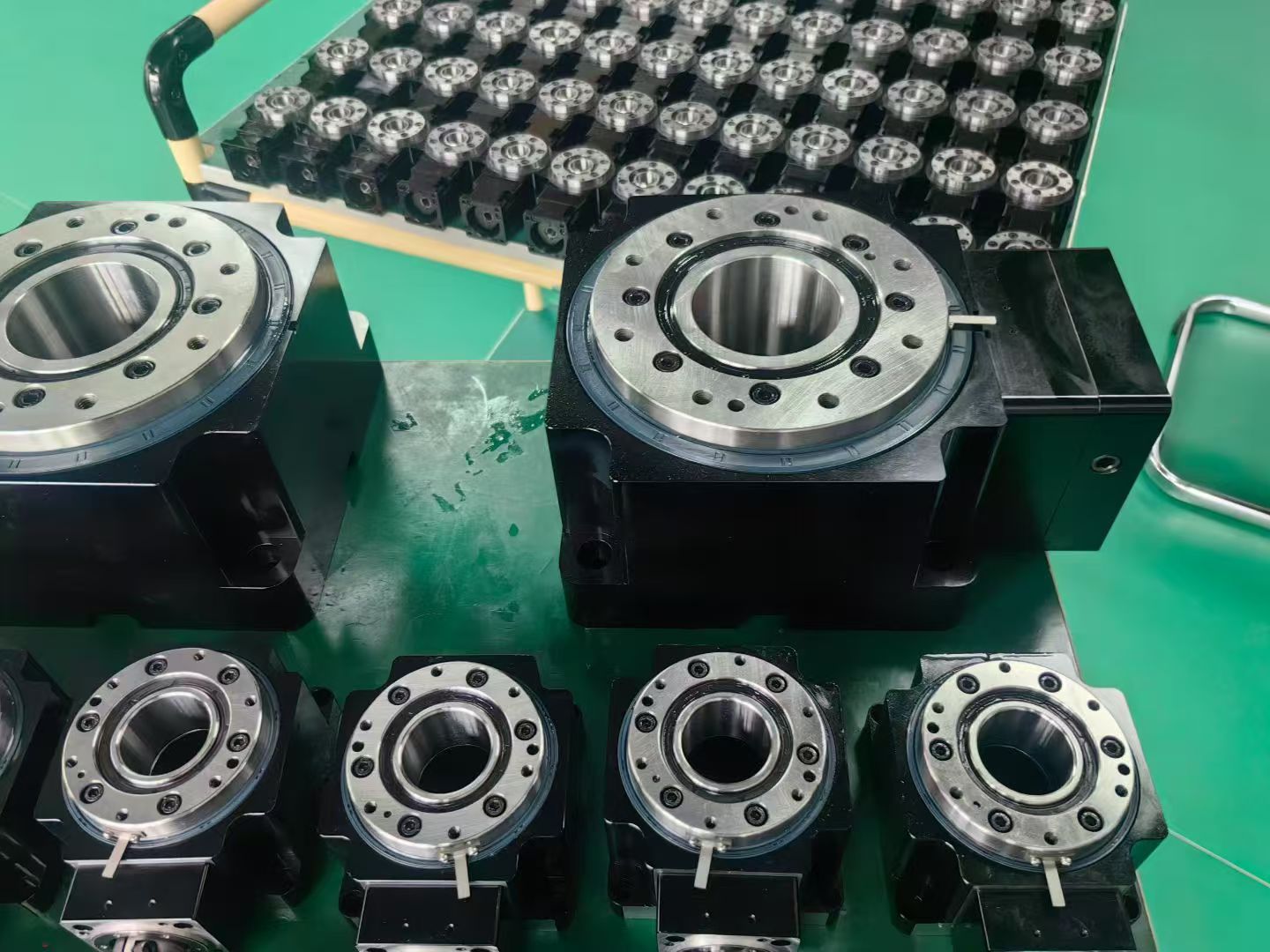
A hollow rotary platform is a core precision transmission component in automation, used for rotary fixtures, workpiece indexing, and precision positioning. Its hollow bore lets cables, air lines, and optical paths pass through the center, which can simplify machine layout.
But selection cannot rely on outer diameter or rated load alone. Specifying from those two numbers leaves the offset-load and motion-profile data unresolved, and the machine may need a different platform late in the build.
This guide is for machine designers and procurement engineers specifying a rotary stage for indexing, dispensing, assembly, vision inspection, or robot tooling. If you are comparing prices with only a part weight and a budget, stop here — no selection is reliable without a load and motion profile.
Evaluate six criteria: working conditions, load and tilting moment, center-bore clearance, precision specifications, moment of inertia, and motor mounting. The deciding numbers — allowable moment, repeatability, backlash, angular transmission accuracy, face runout, catalog ratings — come from the manufacturer's datasheet and your own verification, not from this article.
1. Start with the real working conditions
First, clarify how the machine will actually run.
Machine type. Confirm what kind of equipment this is: vision inspection, automated dispensing, automated assembly, a precision indexing dial, or robot tooling.
Working mode. Distinguish between continuous rotation, point-to-point indexing, and high-frequency forward and reverse motion.
Key operating parameters. Collect the rotation angle, maximum speed, acceleration, start-stop frequency, daily working hours, and whether the platform is mounted horizontally or vertically.
These real application conditions form the basis of the entire selection range. Matching them correctly is what leads to the right hollow rotary platform.
2. Never look only at the rated load on the nameplate
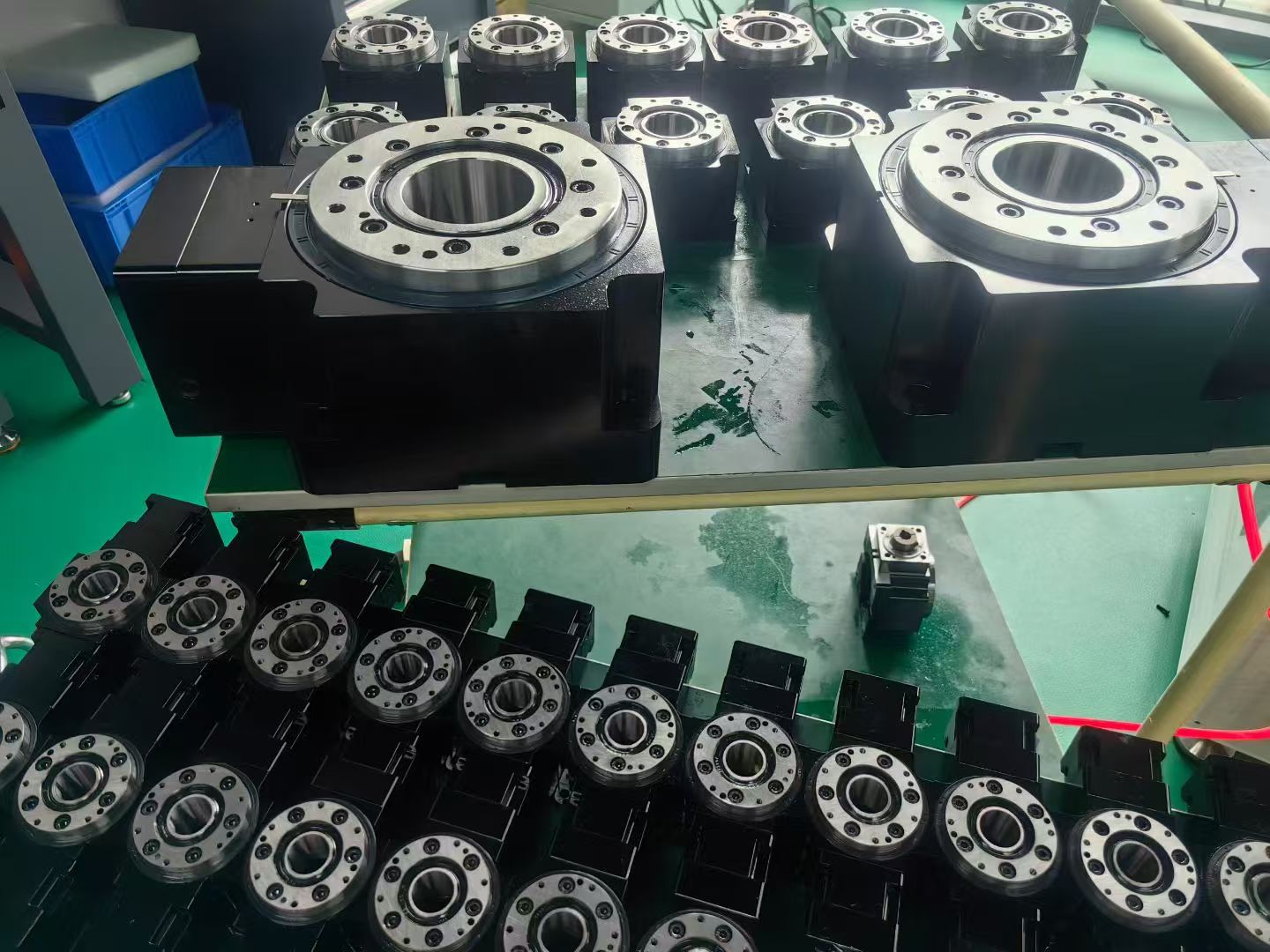
Axial load and radial load both need to be calculated — and above all, the tilting moment caused by offset load.
On many machines the center of gravity of the fixture sits away from the center of rotation, and that tilting moment — not the rated axial load alone — is often the limiting factor that decides whether a platform is suitable.
A simple static formula:
Tilting moment (N·m) = load force (N) × offset distance (m)
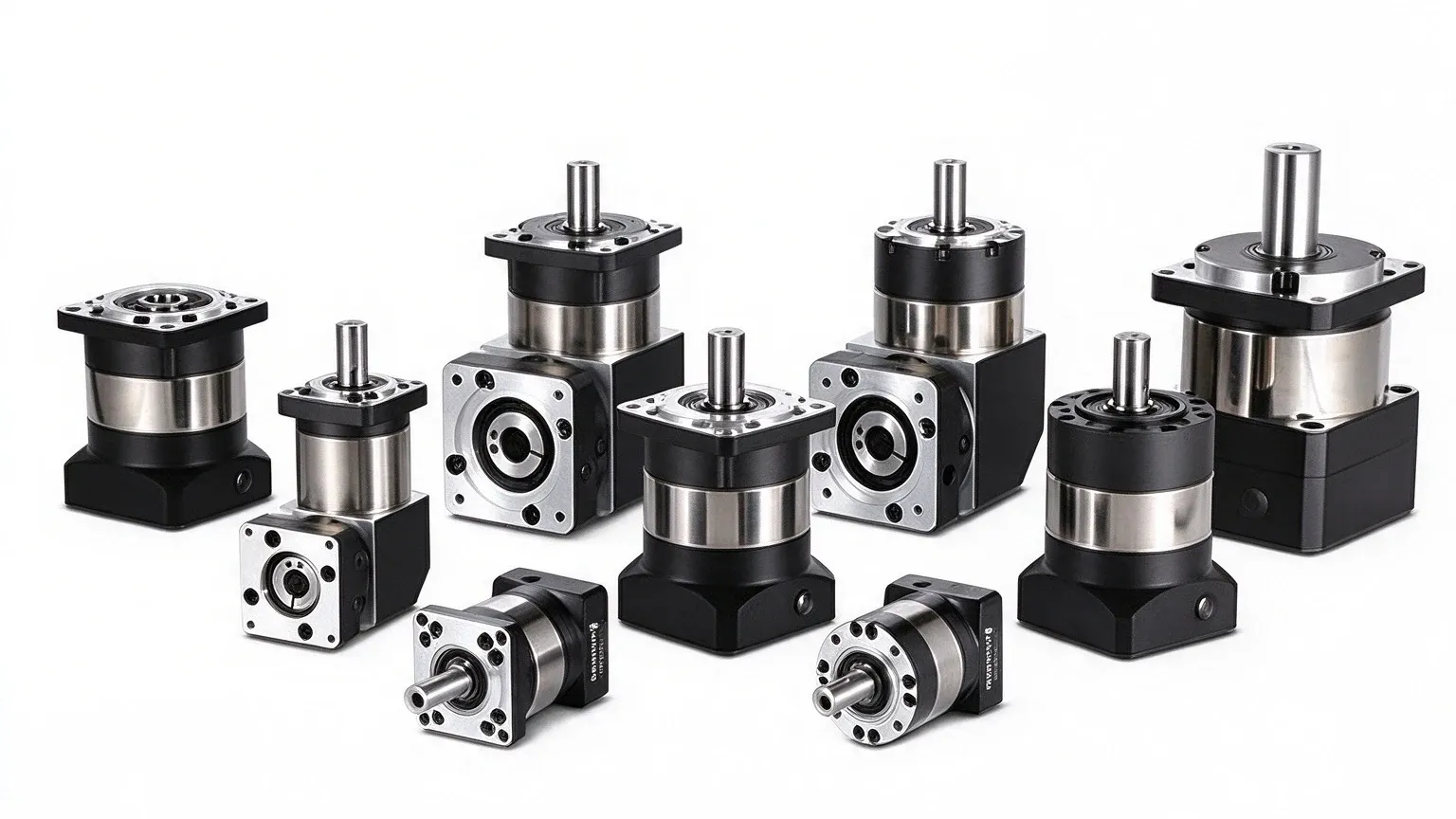
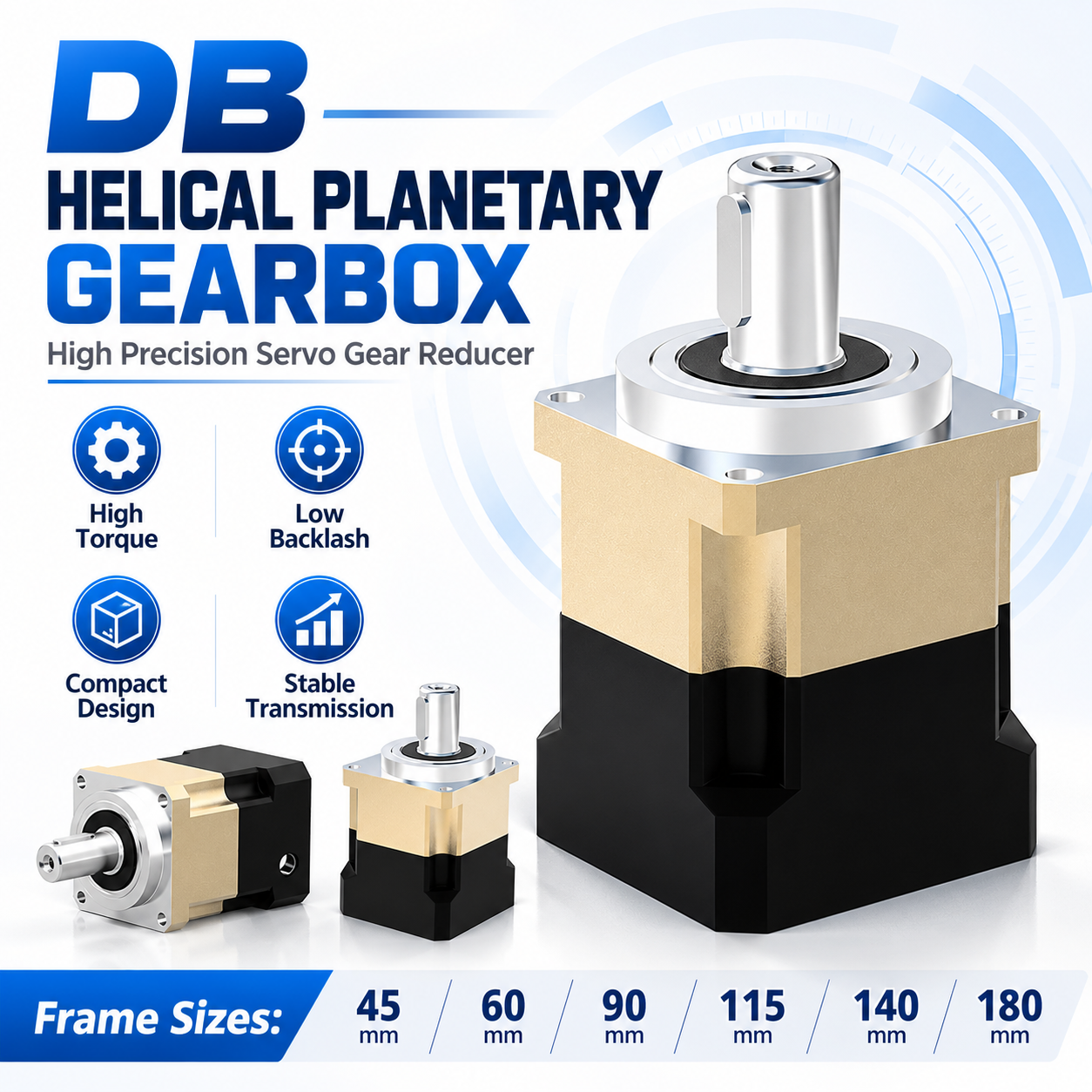
When selecting, do not stop at the workpiece weight. Add the weight of the fixture itself and the impact from dynamic acceleration, then check the result strictly against the allowable moment in the product catalog. This avoids overloading and damaging the internal bearings and gears. If high torque and a high reduction ratio are required, a planetary gearbox can be combined with the platform as a complete transmission solution.
3. The center bore is the platform's biggest advantage — but bigger is not always better
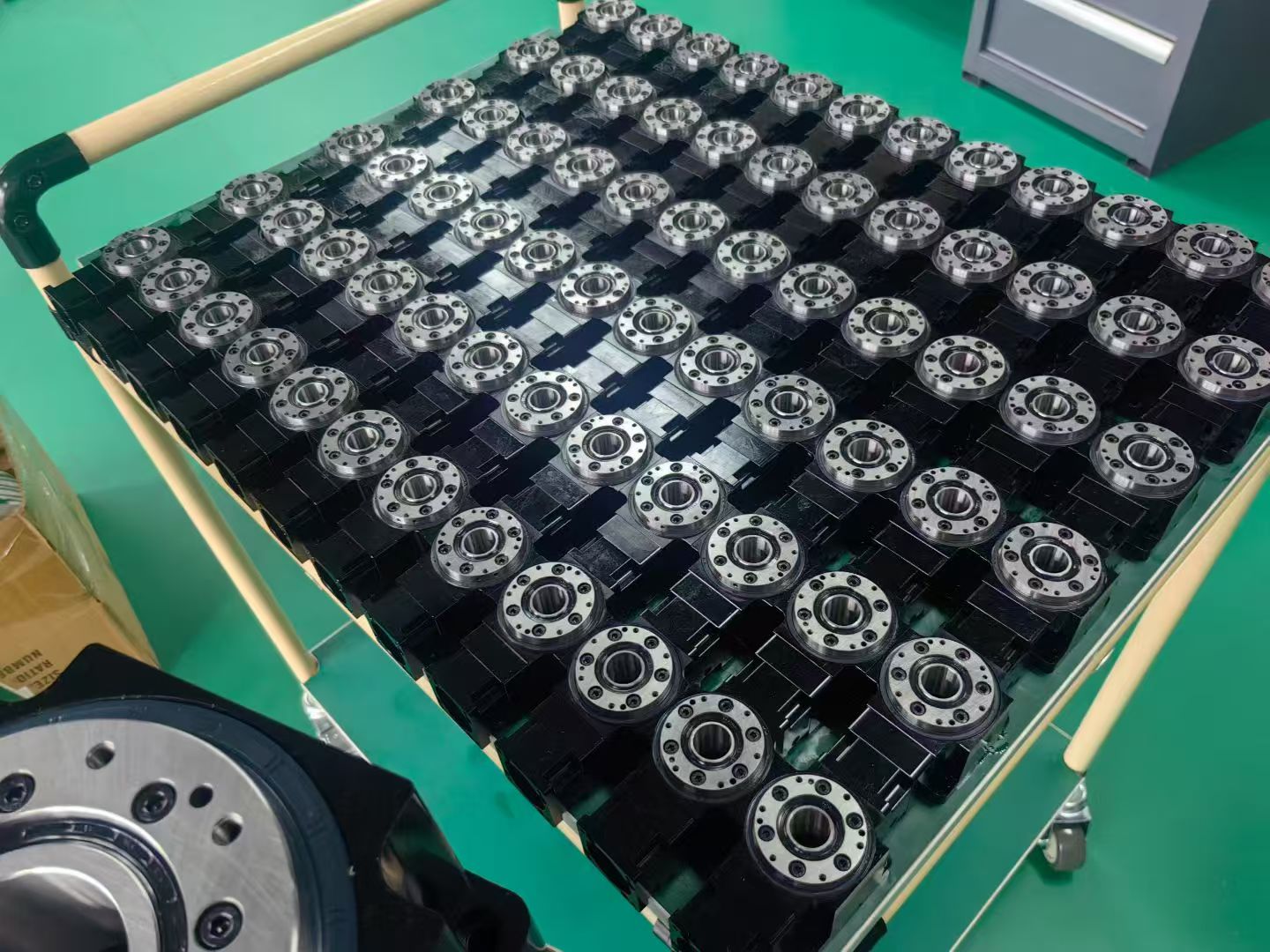
Selection should be based on everything that actually has to pass through the bore: the cable itself, connectors, air lines, and protective sleeves, plus a margin for assembly clearance.
For large-angle continuous rotation, the risk of cable twisting and winding also needs to be assessed. The optimal bore size should be decided together with the cable routing plan — check the bore options in the available hollow rotary table range against that routing.
4. Precision specifications are not interchangeable
Four terms are often confused and must be kept apart:
Repeat positioning accuracy (repeatability) is how consistently the platform returns to the same position.
Backlash is the mechanical play you feel when the direction of rotation is reversed.
Angular transmission accuracy is how closely the output angle follows the commanded input angle across the full rotation.
Face runout is how much the mounting face deviates relative to the axis of rotation as the table turns.
These parameters describe different things and cannot substitute for one another. For vision inspection and precision assembly equipment, repeatability and backlash deserve the most attention. For rotary machining applications, face runout should be checked closely.
Remember that a small backlash figure does not mean the machine as a whole will position accurately. The judgement has to be made on the complete system.
5. Moment of inertia and drive torque are often overlooked
Acceleration torque is determined by the total moment of inertia together with the angular acceleration. For workpieces of the same weight, the farther the mass sits from the center of rotation, the larger the moment of inertia becomes — and it grows quickly.
For high-speed indexing projects, do not send the load weight alone. Also provide the rotation angle and the cycle time so the manufacturer can verify the torque.
6. Check the motor interface and mounting dimensions
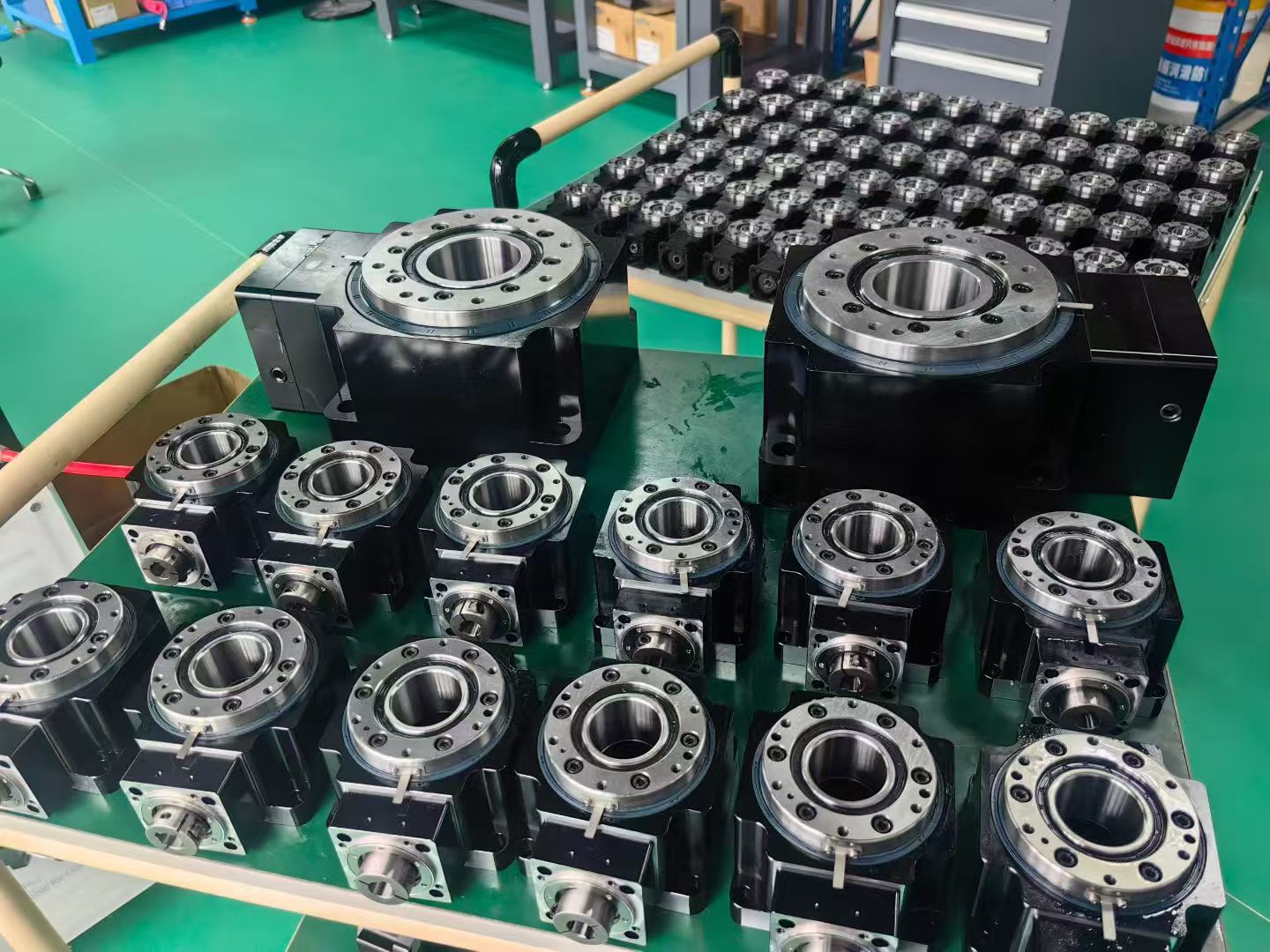
Confirm whether the platform suits a servo or a stepper motor, then check the flange, motor shaft diameter, reduction ratio, platform mounting holes, and overall height against the space reserved in the machine.
Even motors from the same brand can differ in mounting between series, so always verify against the drawings — and leave room for later maintenance.
Common questions and next step
Can I select a hollow rotary platform knowing only the load weight?
No. Offset load and tilting moment, moment of inertia, and motion cycle often matter more than raw weight.
Is backlash the same as repeat positioning accuracy?
No. They are independent parameters. Backlash relates to the play when direction is reversed, while repeatability describes how consistently the platform returns to the same position.
Ready for a selection check? Send the six parameters from this guide — machine type, motion mode, rotation angle and cycle time, load weight plus offset distance, bore-pass requirements, and your motor or gearbox interface — to us through our contact page. If you already know your target motor model and power, reduction ratio, or required backlash, include those too, and our applications engineers will confirm a candidate model or tell you what is still missing.
Sending these parameters is not an order commitment. We use them only to verify fit and to reply with a selection recommendation.